Folio IV · recto
Why Flywheel
MDXXIV
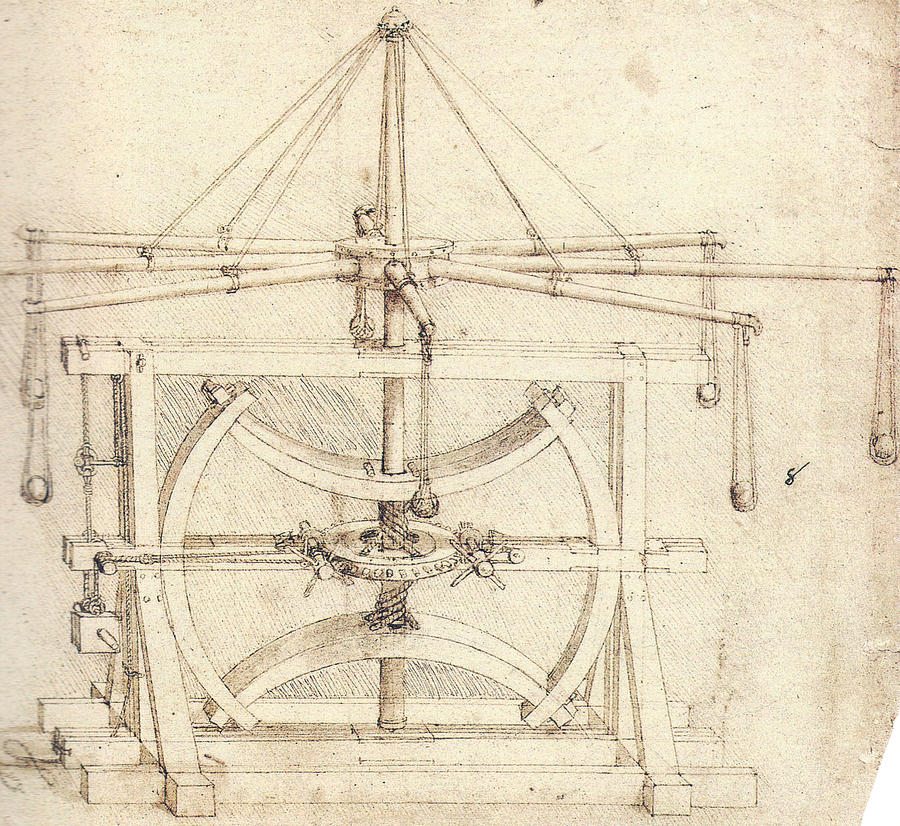
A wheel that remembers
A flywheel is a heavy disc that resists change. Push it once and very little happens. Push it again, then again, and again, and the very mass that fought you begins to work for you. Stop pushing and it keeps turning — for minutes, for hours, sometimes longer than you'd believe.
That's the whole idea. Energy stored in motion. Effort that compounds. A machine whose memory is its momentum.
From the potter's wheel to the boardroom
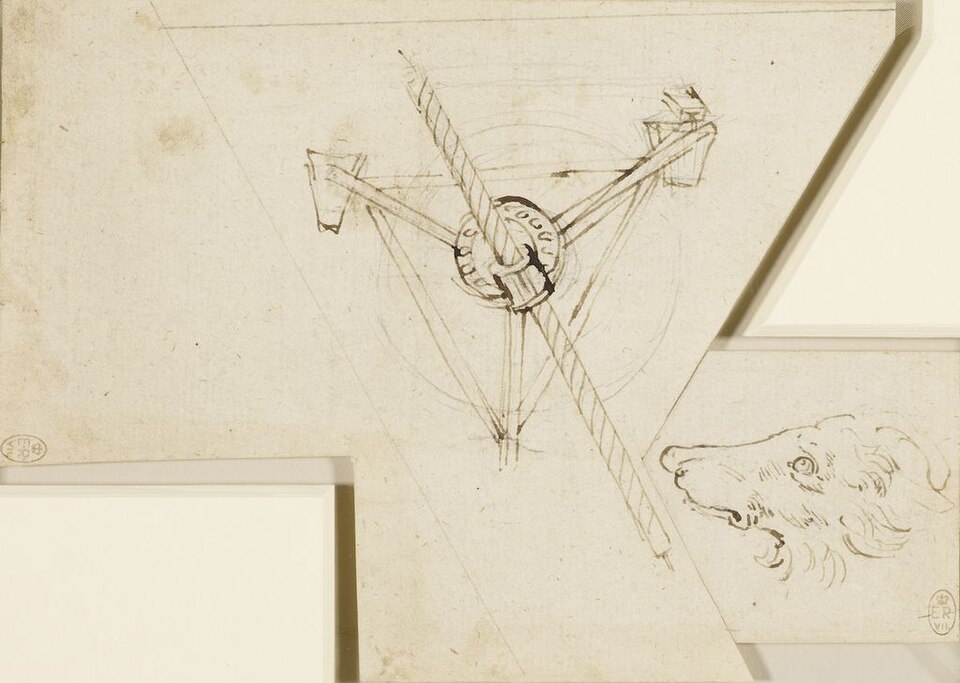
The potters of Mesopotamia were spinning flywheels six thousand years ago — a stone disc on a spindle, kicked once an hour, true enough to turn wet clay into dinner. Leonardo sketched them in his notebooks beside studies of water, vortices, and the muscles of the human shoulder. He understood, long before anyone could write the equations, that a wheel which stores motion is a wheel that buys you time.
James Watt put one on a steam engine in 1788 and the industrial revolution found its rhythm. The piston pushes hard, then nothing, then hard again. Without the flywheel, the machine stutters. With it, the machine sings.
Two centuries later Jim Collins picked up the same object and used it to explain why great companies don't have founding myths. There is no single heroic shove. There is a wheel, and there are people who keep turning it in the same direction long enough that one day it turns on its own.
"No matter how dramatic the end result, good-to-great transformations never happen in one fell swoop. There was no single defining action, no grand program, no one killer innovation, no solitary lucky break, no miracle moment."— Jim Collins, Good to Great
Why we took the name
We named the company Flywheel Group because the wheel is the most honest thing we can promise. We don't sell miracles. We don't sell platforms. We sell turns — small, deliberate, well-aimed pushes that each leave the wheel a little easier to move than the last.
A 30-minute automation here. A smarter intake form there. A forecast that ends a recurring inventory headache. None of those changes the world on a Tuesday. Stack twenty of them across a year and the business feels different. Stack a hundred and competitors start asking how you do it.
That is what AI looks like when it's done by operators, not magicians. It looks like a wheel.
What we promise the wheel
- Every engagement leaves your wheel turning faster than it was.
- No push is wasted on theater. Only on motion.
- We measure progress in turns, not in slides.
- When we leave, the wheel keeps turning without us.
Curious what your first turn looks like?
Take the 2-minute quiz— studio notes, Flywheel Group AI